
 Quynh Pham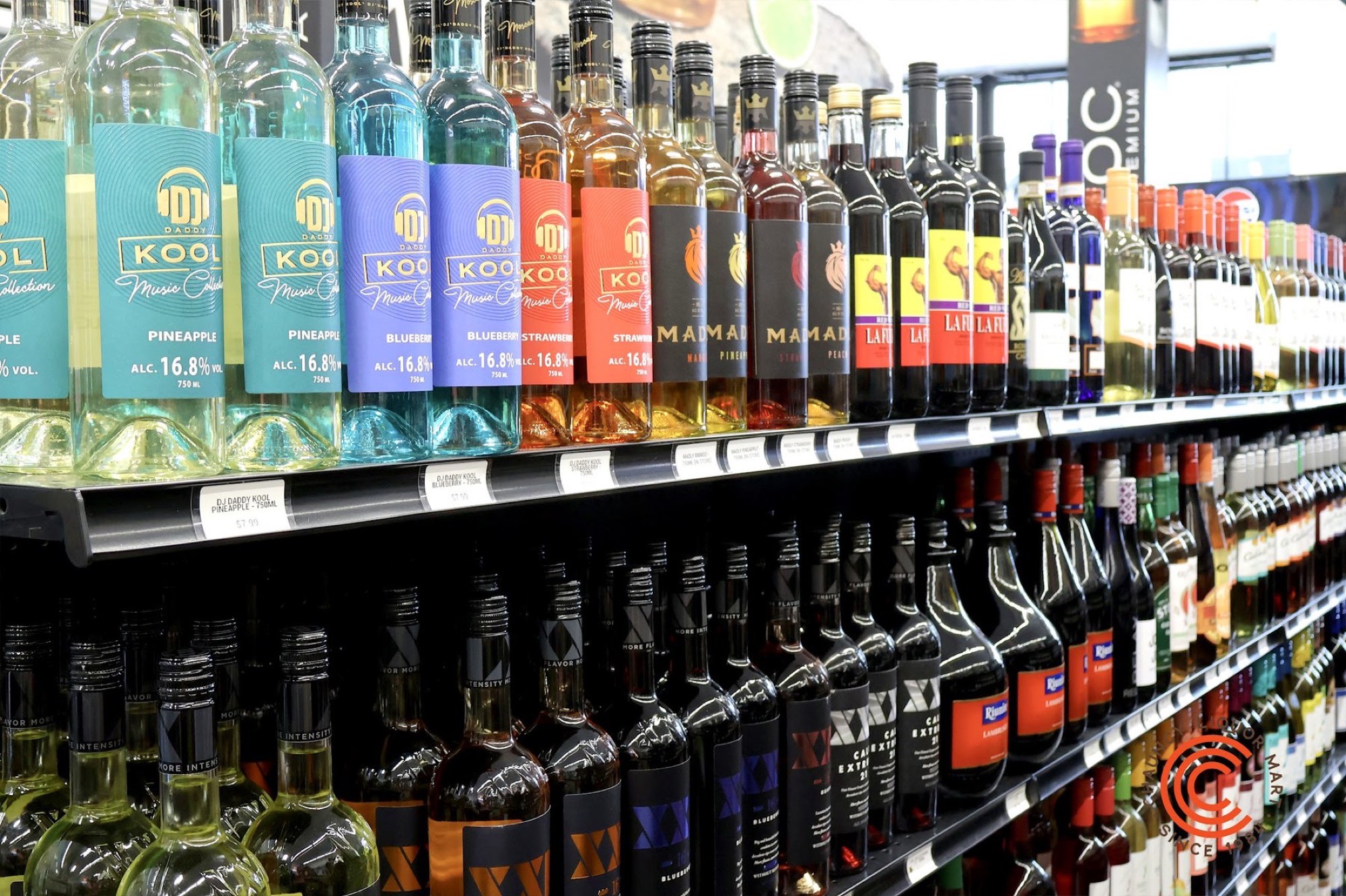
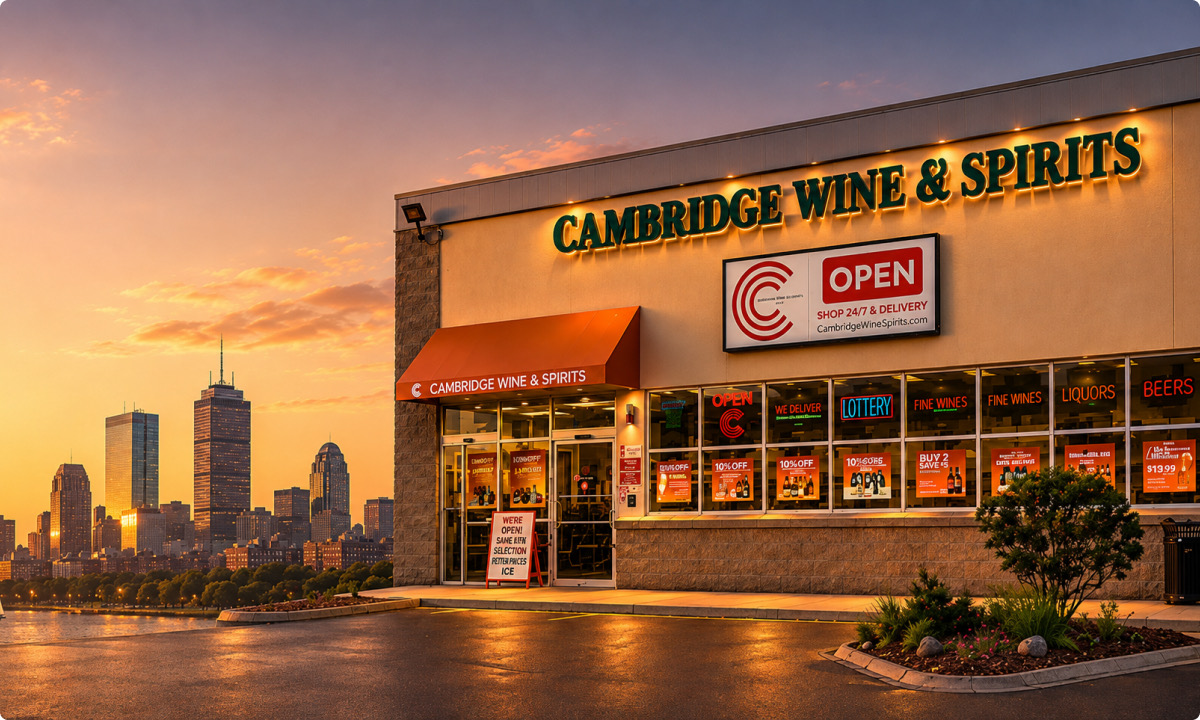
Beverage alcohol retail in the United States is a mature, heavily regulated, and intensely competitive market. National chains compete on price and assortment, grocery and convenience formats compete on proximity, and delivery apps compete on speed. Against that backdrop, a family-owned neighborhood chain growing at the rate in the headline looks like an anomaly. Having owned and operated Cambridge Wine & Spirits, a destination for wine, spirits, beer, and specialty beverages since 1978, and Chauncy Liquor Mart, a Boston neighborhood retailer established in 1982, we do not think it is. The growth comes from a small number of operating decisions, made consistently, over years.
Compete on curation, not on catalog
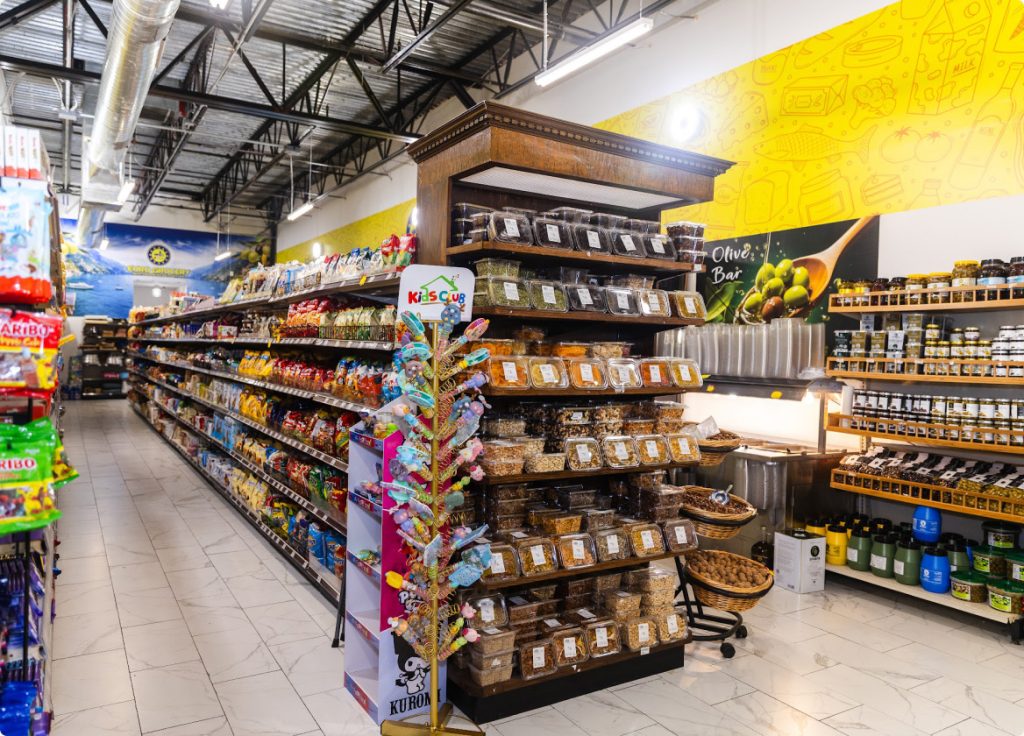
A large chain can always carry more labels. A neighborhood store cannot win that contest, and trying to win it ties up cash in inventory that turns slowly. The stores in our portfolio grow by knowing their customers better than a catalog can. Buyers taste what they stock, track what sells by neighborhood rather than by national trend, and are willing to drop a slow label to make room for one a regular asked about last week.
That curation extends to categories that larger competitors treat as an afterthought. A deep, well-explained selection of craft beer, sake, natural wine, or spirits from smaller producers earns a trip that a discounted case of a national brand never will. The margin structure follows: customers who come for advice and discovery are less price-sensitive than customers who come for a commodity.
Treat the store team as the product
The single largest driver of repeat visits in specialty retail is the person behind the counter. A customer who receives a good recommendation comes back, tells a friend, and gradually buys further up the shelf. That only happens when the team is trained, stable, and trusted to make decisions.
We invest in that deliberately. Product training is scheduled, not occasional. Tenure is recognized. Managers have authority over ordering and merchandising for their own store, with a shared set of standards underneath. Staff turnover is expensive everywhere, but in a store whose value is knowledge, it is directly visible in sales.
Modernize the back of the house first
Most of the visible change at Chauncy Liquor Mart came from renovation and a renewed market focus. Most of the durable change came from what customers never see: a point-of-sale system that produces clean data, inventory counts that are trusted, purchasing that is driven by sell-through rather than by supplier incentives, and simple weekly reporting that every manager reads.
The sequence matters. Renovating a store that still runs on intuition produces a more attractive version of the same problems. Fixing the operating systems first means that every subsequent decision about assortment, pricing, staffing, and marketing rests on numbers rather than on memory.
- Which items generate the majority of gross profit, and are they ever out of stock?
- Which items have not sold in ninety days, and what is the plan for each of them?
- How does each store’s mix differ from the others, and is that difference intentional?
- Which promotions moved volume without moving profit?
Grow the trip, then grow the basket
Growth in a mature category rarely comes from new customers alone. It comes from existing customers visiting more often and buying more when they do. Tastings, producer events, seasonal programs, and a loyalty offer that is simple enough to explain in one sentence all increase frequency. Thoughtful adjacency on the shelf, staff who suggest a pairing, and a small but well-chosen range of accessories and gifts increase the basket.
Online ordering and delivery belong in this list, but as an extension of the store rather than a replacement for it. Customers who discover the store online and then visit in person are worth far more than customers who only ever compare prices on a delivery app.
Keep the family character, add the discipline
Family-owned retailers earn something that chains spend heavily trying to imitate: trust, continuity, and a name that people in the neighborhood recognize. The mistake is to assume that character alone sustains growth, or that discipline has to erase it. In our experience the two reinforce each other. Financial discipline, standardized systems, and performance management free the people who know the customers to spend their time with the customers.
That is the model we apply across the retail businesses in the Gloria Capital portfolio, and it is the reason a neighborhood chain can keep growing in a market that is supposed to belong to scale.
Key takeaways
- Curate for the neighborhood instead of competing on catalog size.
- Train, retain, and trust the store team. In specialty retail, they are the product.
- Fix systems and data before renovating the front of the store.
- Grow frequency and basket size with existing customers before chasing new ones.
- Preserve the family character and add operating discipline underneath it.

Quynh Pham
Co-Founder & Chief Executive Officer, Gloria CapitalQuynh leads portfolio operations, finance, talent, and technology across Gloria Capital's operating businesses.