
 Quynh Pham
When Gloria Capital acquired The Shops at Randolph in 2024, the fundamentals were already in place: a nine-acre open-air site roughly 15 miles south of Boston, approximately 65,000 square feet of leasable space, and a trade area with steady everyday demand. What had stopped working was the mix. The center was leased, but it did not give anyone a reason to stay longer than a single errand. This is what we learned while repositioning it.
Start with the tenant mix, not the façade
Physical improvements are visible and satisfying, which is exactly why they are often done first and measured last. We reversed the order. Before committing capital to the building envelope, we mapped how customers actually used the property: where they parked, which units they visited, how long they stayed, and which categories were missing entirely.
That sequencing changed the plan. Two of the improvements we had assumed were urgent turned out to matter far less than lighting, signage legibility from the road, and a clear path between the anchor tenants and the smaller units.
- Which tenants bring customers to the center, and which depend on customers who are already there?
- Which leases expire inside the investment horizon, and what does each renewal conversation need to achieve?
- What can be fixed with operations before it needs capital?
- Which single addition would make every other tenant perform better?
Read the trade area before writing the plan
Neighborhood and community retail centers have held up better than many assumed. Industry reporting in early 2026 put retail vacancy in the range of 4.5 to 4.7 percent nationally, and open-air centers saw foot traffic grow roughly 6 percent year over year. Those numbers do not guarantee performance for any single property, but they confirmed the thesis: well-located, necessity-driven centers still earn the trip if the mix and the experience are right.
For Randolph, the practical translation was straightforward. Anchor the center with tenants that generate regular visits, complement them with services people need weekly, and add food and beverage that turns a quick stop into a longer stay.
Fix what operations can fix first
The least expensive improvements delivered the fastest results. Consistent parking-lot lighting, repaired and standardized signage, clearer wayfinding from the main road, and a maintenance schedule that tenants could rely on changed how the property felt within weeks, not quarters. None of these required a redevelopment budget; they required ownership that was present and accountable.
The same discipline applied to the center’s operating systems. We standardized tenant communication, service-request tracking, and vendor management so that problems surfaced early and were resolved once rather than repeatedly.
Curate for complementary demand
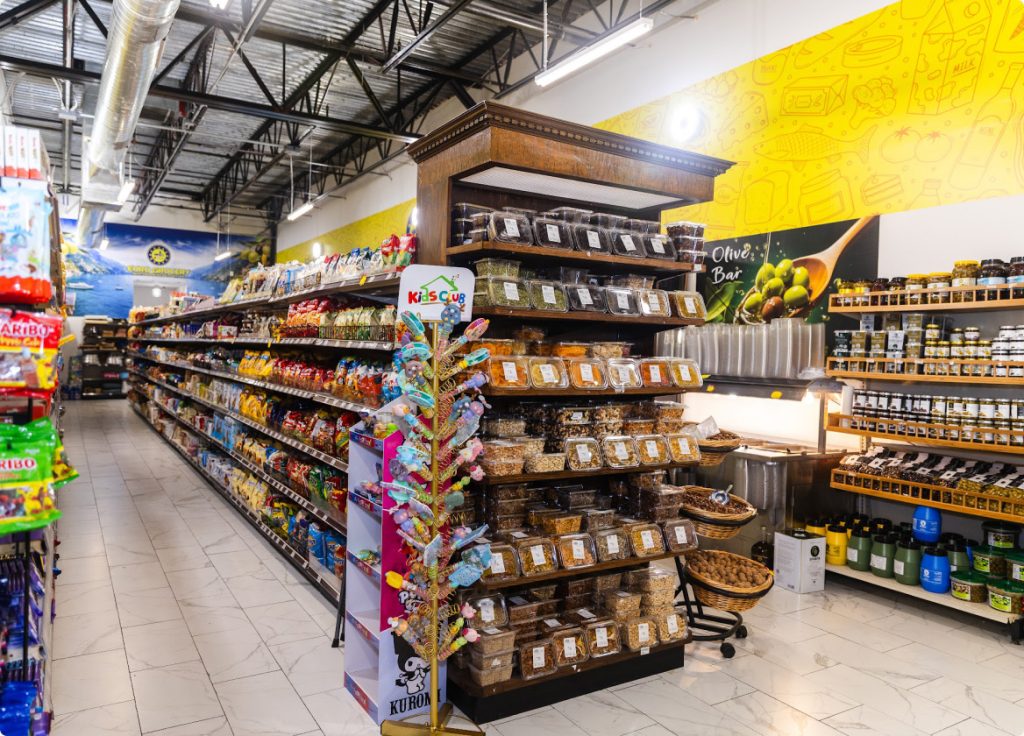
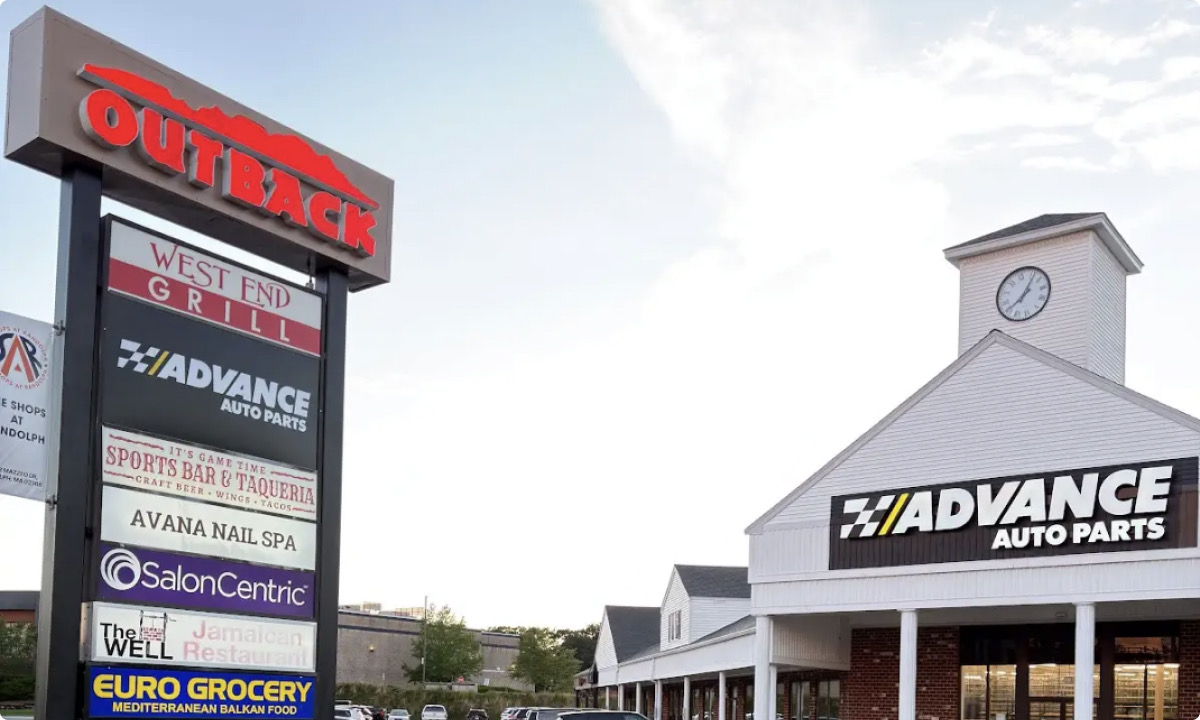
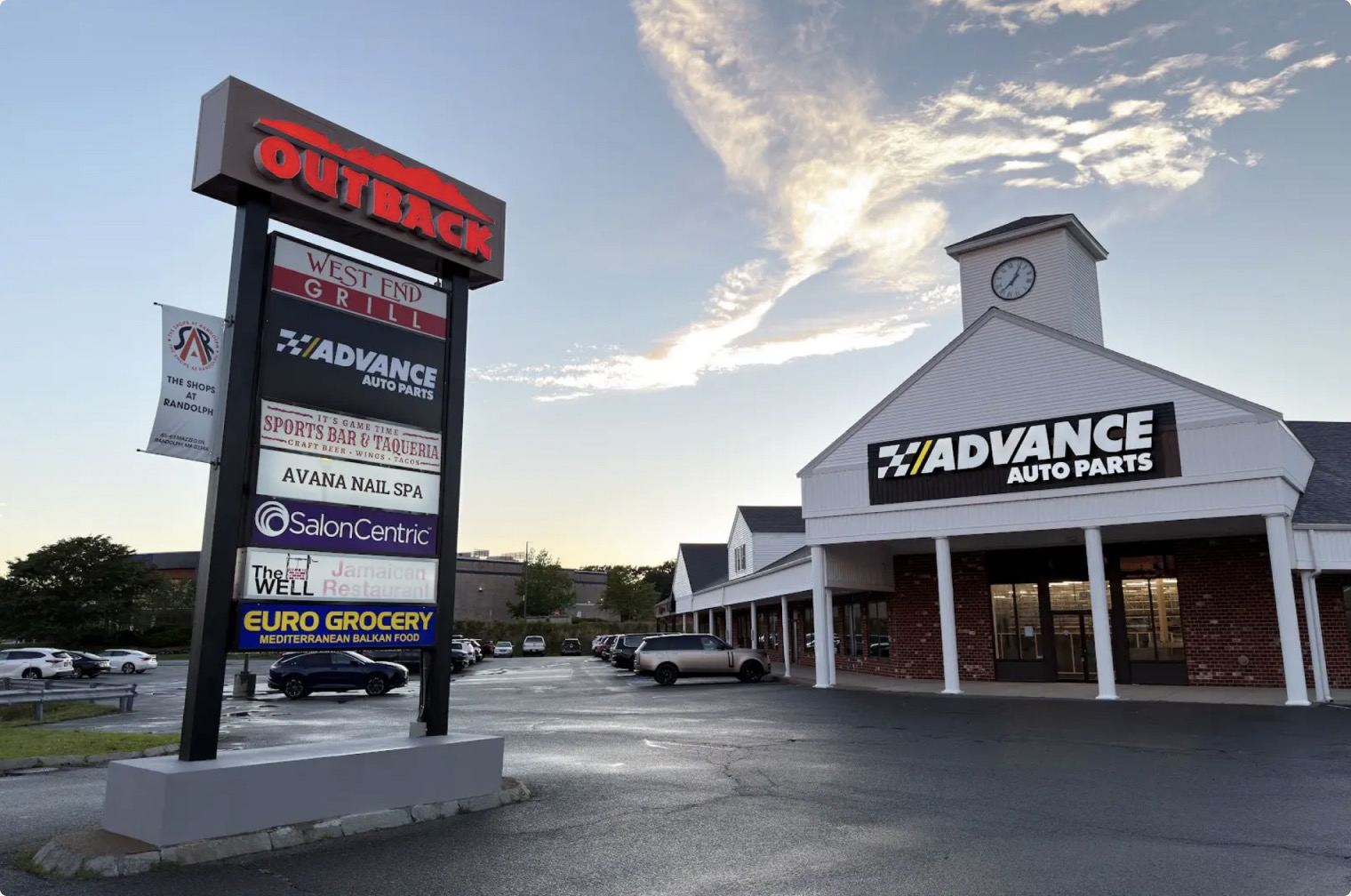
A center performs when its tenants make each other stronger. National operators such as Outback Steakhouse, Advance Auto Parts, and SalonCentric bring recognizable draw and regular visits. Local businesses, from a neighborhood grocery to a nail spa and casual dining, fill the gaps between those visits and give the property a distinct character that a purely national line-up cannot.
The leasing strategy therefore focused less on filling vacancies quickly and more on sequencing: securing the uses that anchor daily traffic first, then adding the services and food that extend the trip. By 2025, the redevelopment was complete and the center was fully leased.
“A retail center is not a building you own. It is a trip you either make worth taking, or you don’t.”
Treat tenants as partners in the plan
Tenants see the property every day and hear directly from customers. Early in the process we sat down with each operator to understand what was working, what was not, and what they would change if the decision were theirs. Several of the most effective improvements, including changes to signage placement and the timing of parking-lot maintenance, came from those conversations rather than from the initial plan.
That approach also changed renewal discussions. When tenants can see that ownership is investing in the property and responding to operational issues, negotiations become conversations about growth rather than disputes about the past.
Measure what matters, then keep measuring
Occupancy is the headline number, but it is a lagging indicator. We track the drivers behind it: customer traffic across the day and week, tenant sales trends where operators share them, service-request response times, and the property’s presentation on a simple, repeatable checklist. Reviewing these together each month keeps the asset plan honest and shows early when a category or a unit needs attention.
Repositioning is never finished. The mix that works today will need adjustment as leases roll and as the surrounding community changes. The lesson from Randolph is that the discipline matters more than any single decision: understand the trip, fix operations first, curate for complementary demand, and stay involved after the capital has been deployed.
Key takeaways
- Understand how customers use the property before you touch the building.
- Fix what operations can fix before spending redevelopment capital.
- Anchor with regular-visit tenants, then add services and food that extend the trip.
- Tenants are the best research you will get. Ask them early and act on what you hear.
- Occupancy follows traffic, presentation, and responsiveness. Measure those first.

Quynh Pham
Co-Founder & Chief Executive Officer, Gloria CapitalQuynh leads portfolio operations, finance, talent, and technology across Gloria Capital's operating businesses.